Another informative and entertaining exploration
into vocational randomness at a rudimentary level, from the vast series by
Linda Soules. This one feels like it may
be aimed at slightly older teenagers, as I did feel the language and terminology
might have been a touch more complex. Additionally,
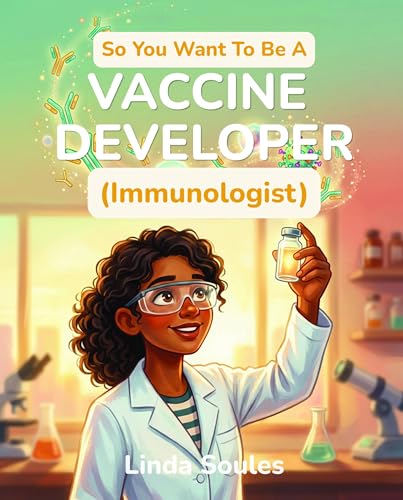
being a vaccine developer seems like the sort of profession one might pursue
with a little more knowledge of the subject, either from following international
charity organizations or an interest in biomedical science. I also wonder if this rather obscure premise might
have been conceived in the afterglow of COVID heroics on the part of these
professionals, for it does seem a somewhat random career guide for kids
approaching the exams and options period of their education. Whatever the reader’s motivation, So You
Want to Be a Vaccine Developer might slightly lack the universal appeal and
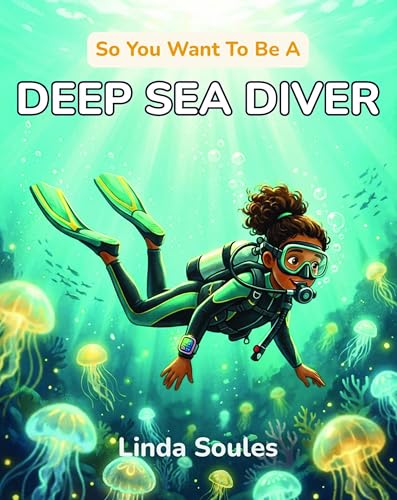
entertainment value of the last book I read in the series, which was the arguably
more exotic So You Want to Be a Deep Sea Diver. That said, expect the same glorious, full colour
imagery, clearly AI-generated but that doesn’t bother me; the book’s primary quality,
as always, is in Linda’s intricate research and knowledge of the subject, and
her accessible yet high-quality writing.
I feel that the book’s general layout could probably do with a more artistic
touch, but the bright, bold palette does make up for this.
I have to be honest, in the case of this book, I’m
not entirely convinced there is enough in the subject matter to fill these
pages, though the glossary is most welcome, as is the closing author’s note,
which explains the context of the book and its place in the series. What Linda has included, though, is fantastically
well articulated, both in real language and scientific terms. She covers every facet of the work in an
elementary yet professional style – in this respect, I’ve little doubt that she
achieves exactly what she set out to do.
This particular entry is comprehensive and very educational, explaining
the work of an immunologist, the benefits, the path to it, the bodies
overseeing it, and some very interesting history of vaccines. If it is a career you might be interested in,
this might well be your essential guide, to be honest – and I’m sure it shares
that credential with many in its series.
Where it does perhaps seem absent is in the next (first) steps into the career:
the education path, the subjects, the work and training – though it isn’t
really that sort of book. It therefore
might be considered a little vague if you have made your decision to follow the
path. If you are at the stage of your
youth where it is one of several options you’re just blue-skying, then it might
be right up your street, and I recommend it for you.