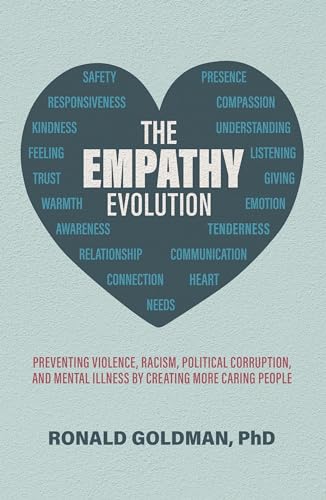
A tremendously knowledgeable book, though I admit,
certainly not what I was expecting.
Rather than advice for the improvement of society and how we personally
can all do our bit to enjoy and/or help to repair the worst social problems, it
is actually a rather in-depth study rooted in classic undergraduate psychology;
much of its findings and conclusions can be found in the famous work of giants like
Bowlby and Freud. Indeed, I would argue
that Goldman’s nurture and development rhetoric, as a root cause of some of the
worst human issues, indirectly references without paraphrasing the theory of
the “affectionless psychopath”. This is
all incredibly admirable, as is Goldman’s excellent attention to detail,
referencing and research, as well as not to mention his ability as a
writer. However, there is perhaps a
touch too much of the Freudian style for my liking, and this book does rather
focus on the role of intimate anatomy at times.
Additionally, I did feel that some of Goldman’s
conclusions may have been a touch subjective, or that he chose to interpret the
data a particular way, bearing in mind that this book’s very purpose and agenda
is to promote empathy; by its nature, then, it seeks to further a more liberal
cause. There is, of course, nothing wrong
with that, but those with more than an elementary knowledge of the subjects
might take issue with some of its findings.
As a project and a body of work, however, it is out of the top
drawer. Goldman is clearly an academic and
an expert in his subject matter. This is
a perfect book for those who share the author’s caring disposition and wish to explore
the infant-stage development of apathy or inhumanity. It is generally pretty holistic within this topic,
covering a wide range of areas, but I feel the overall narrative is quite consistent
throughout. Whatever your thoughts on
Goldman’s conclusions, if you are considering reading it after this review,
then I highly recommend that you do – you will learn a great deal, rest assured.